

If you’re new to borrowing, loan paperwork can feel confusing. One of the most important things to understand before signing anything is loan repayment terms. Knowing what they mean — and how they affect your money — can help you avoid costly mistakes.
In this beginner-friendly guide, we explain loan repayment terms in simple language, whether you’re borrowing in the USA, UK, Canada, Australia, or Europe.
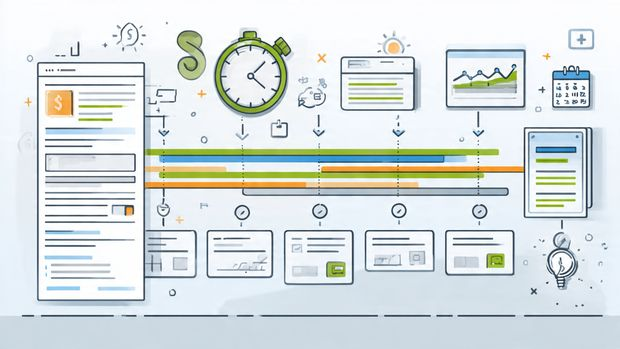
🔹 What Are Loan Repayment Terms?
Loan repayment terms describe:
- How long you have to repay the loan
- How much you must pay each month
- The interest charged
- Any fees or penalties
In short, repayment terms define how, when, and how much you pay back.
🔹 Loan Term Length Explained
The loan term is the amount of time you have to repay the loan in full.
Common personal loan terms:
- Short-term loans: 12–24 months
- Medium-term loans: 36–48 months
- Long-term loans: 60–84 months
Shorter Loan Terms
✔ Higher monthly payments
✔ Lower total interest cost
Longer Loan Terms
✔ Lower monthly payments
❌ Higher total interest paid
🔹 Monthly Payments Explained
Your monthly payment includes:
- A portion of the principal (the amount borrowed)
- Interest charged by the lender
Most personal loans use fixed monthly payments, meaning:
- The payment stays the same
- Easier budgeting
- Predictable costs
🔹 Interest Rates and Repayment
Interest is the cost of borrowing money.
Fixed Interest Rate
- Does not change
- Most common for personal loans
- Stable and predictable
Variable Interest Rate
- Can change over time
- Monthly payments may rise or fall
- Less common and riskier
Most beginners are better off with fixed-rate loans.
🔹 How Interest Is Calculated
Personal loans usually use simple interest, calculated on the remaining balance.
This means:
- Early payments reduce interest faster
- Extra payments (if allowed) can save money
- Missed payments increase costs
🔹 Amortisation Explained (Simple Example)
Amortisation is how your loan is repaid over time.
At the start:
- More of your payment goes to interest
Later:
- More goes toward the principal
This is normal and expected with instalment loans.
🔹 Fees That Affect Repayment Terms
Always check for fees, as they increase the total cost.
Common fees include:
- Origination fees
- Late payment fees
- Returned payment fees
- Early repayment fees (less common)
Fees are included in the APR, which shows the true cost of the loan.
🔹 Early Repayment and Overpayments
Many lenders allow:
- Early repayment
- Extra payments
Benefits include:
✔ Lower interest paid
✔ Shorter loan duration
However, always confirm:
- No early repayment penalties
- How extra payments are applied
🔹 What Happens If You Miss a Payment?
Missing payments can:
- Trigger late fees
- Increase interest costs
- Damage your credit score
- Lead to collections in serious cases
If you’re struggling, contact the lender early — many offer temporary support options.
🔹 Secured vs Unsecured Loan Repayment
Secured Loans
- Backed by collateral
- Missing payments risks asset loss
Unsecured Loans
- No collateral
- Credit score takes the main hit
Understanding this difference is critical before borrowing.
🔹 How Repayment Terms Affect Credit Score
On-time payments:
✔ Improve credit history
✔ Build trust with lenders
Late or missed payments:
❌ Lower credit score
❌ Stay on credit reports for years
Repayment behaviour matters just as much as approval.
🔹 Choosing the Right Repayment Term
Ask yourself:
- Can I comfortably afford monthly payments?
- Is my income stable?
- Do I want to minimise interest or monthly cost?
Balancing affordability and total cost leads to better decisions.
🔹 Beginner Tips for Managing Loan Repayments
✔ Set up automatic payments
✔ Keep an emergency fund
✔ Avoid borrowing more than needed
✔ Review loan terms before signing
Small habits can prevent big problems later.
🔹 Final Thoughts
Understanding loan repayment terms is essential for responsible borrowing. From loan length and interest rates to fees and early repayment rules, every detail matters.
By learning these basics, beginners can borrow with confidence and protect their financial future.
⚠️ Disclaimer
This article is for informational purposes only and does not constitute financial, legal, or professional advice. Loan repayment terms, interest rates, and conditions vary by lender and individual circumstances. Always consult a qualified financial professional before making borrowing decisions.